

Ragdoll Cats: Breed History, Personality, and What to Expect as an Owner
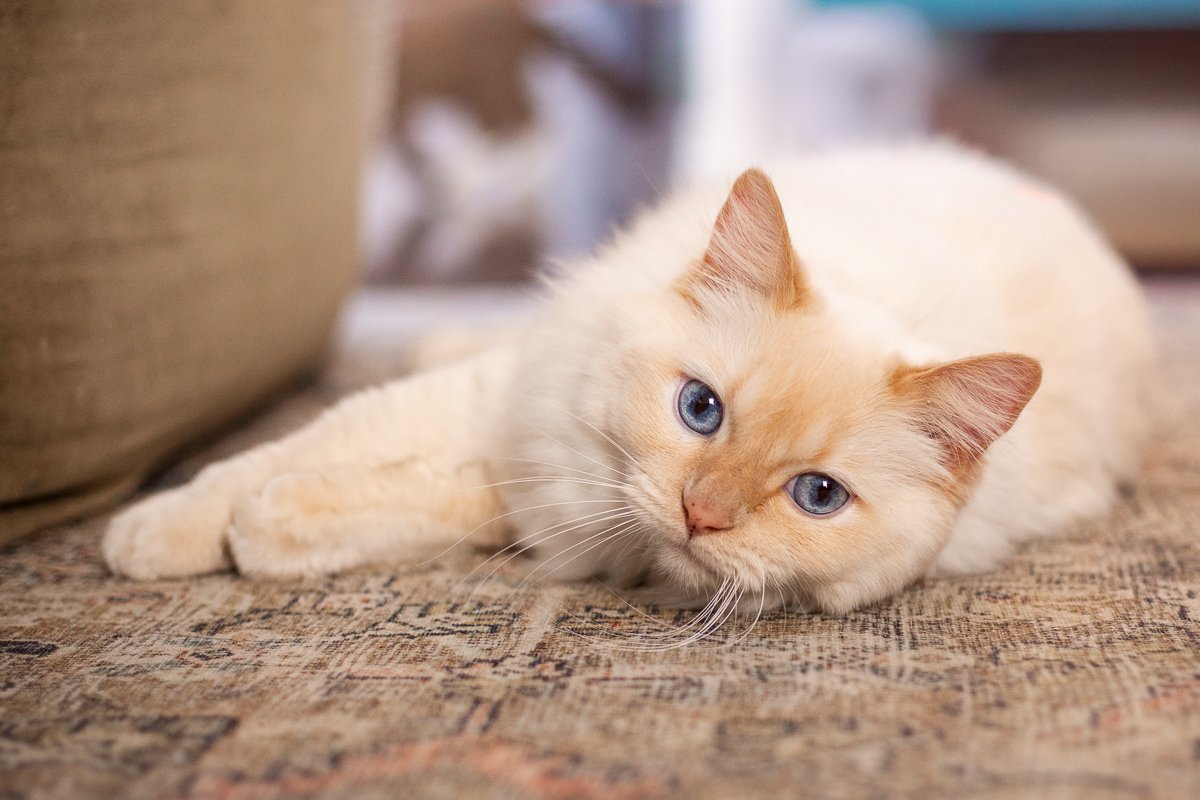
Ragdoll cats are known for their calm, affectionate nature and striking blue eyes, but their origin story wasn’t guided by a clear plan from the start.
The breed began in the 1960s in the United States, not as a carefully mapped-out program, but as a series of observations that gradually turned into something more intentional. When early litters consistently showed a notably gentle, people-oriented temperament, that pattern became something worth preserving.
Over time, that emerging focus—centered on both temperament and appearance—shaped what is now one of the most recognizable and widely loved cat breeds today.
Where Ragdoll Cats Come From
The Ragdoll breed traces back to a breeder named Ann Baker in California during the early 1960s. The foundation of the breed began with a white, long-haired cat named Josephine, who was reportedly bred to a neighboring cat of unknown origin. What stood out wasn’t just the kittens’ appearance, but their unusually calm, affectionate temperament, something that would become central to the breed moving forward.
From there, several key foundation cats were developed, including Daddy Warbucks, Blackie, and Fugianna. Josephine herself was known for her relaxed disposition, while Daddy Warbucks, a seal point male, contributed strongly to the breed’s size and overall type. Blackie, a solid black male, played an important role in early lineage development, and Fugianna, a bicolor female, helped establish the patterned look that is now so recognizable in Ragdolls.
As the program developed, Ann Baker established the International Ragdoll Cat Association (IRCA), maintaining strict control over how Ragdolls were bred and sold. She even attempted to trademark the name “Ragdoll,” an unusual move in the cat breeding world, which created tension among other breeders who wanted to continue developing the breed more openly.
In response, a small group of breeders, including Denny and Laura Dayton, branched off and worked to establish the Ragdoll within more traditional cat registries. Their efforts eventually led to recognition by organizations such as The International Cat Association and the Cat Fanciers' Association, helping standardize the breed and expand its reach.
Today, while the breed has continued to evolve, that early emphasis on a calm, people-oriented temperament remains at the heart of what makes a Ragdoll a Ragdoll.
Ragdoll Personality & Temperament
Building on that foundation, Ragdolls are best known for their gentle, easygoing temperament. They often seek out proximity to their people, whether that means sitting beside them on the couch, stretching out nearby while they work, or greeting them at the door. In many homes, they naturally settle into the rhythm of daily life, quietly observing and often following from room to room.
Compared to more independent or high-energy breeds, Ragdolls are typically even-tempered and adaptable. They’re less likely to be reactive or easily overstimulated, instead offering an easygoing presence. That said, they’re not passive; they still enjoy play, interaction, and routine.
Like any breed, temperament exists on a spectrum. Early socialization, environment, and genetics all play a role in shaping how that personality shows up in each individual cat. A well-bred Ragdoll will generally share that core foundation of a calm, social nature, but the way it’s expressed can vary in small but meaningful ways.
Physical Traits & Appearance
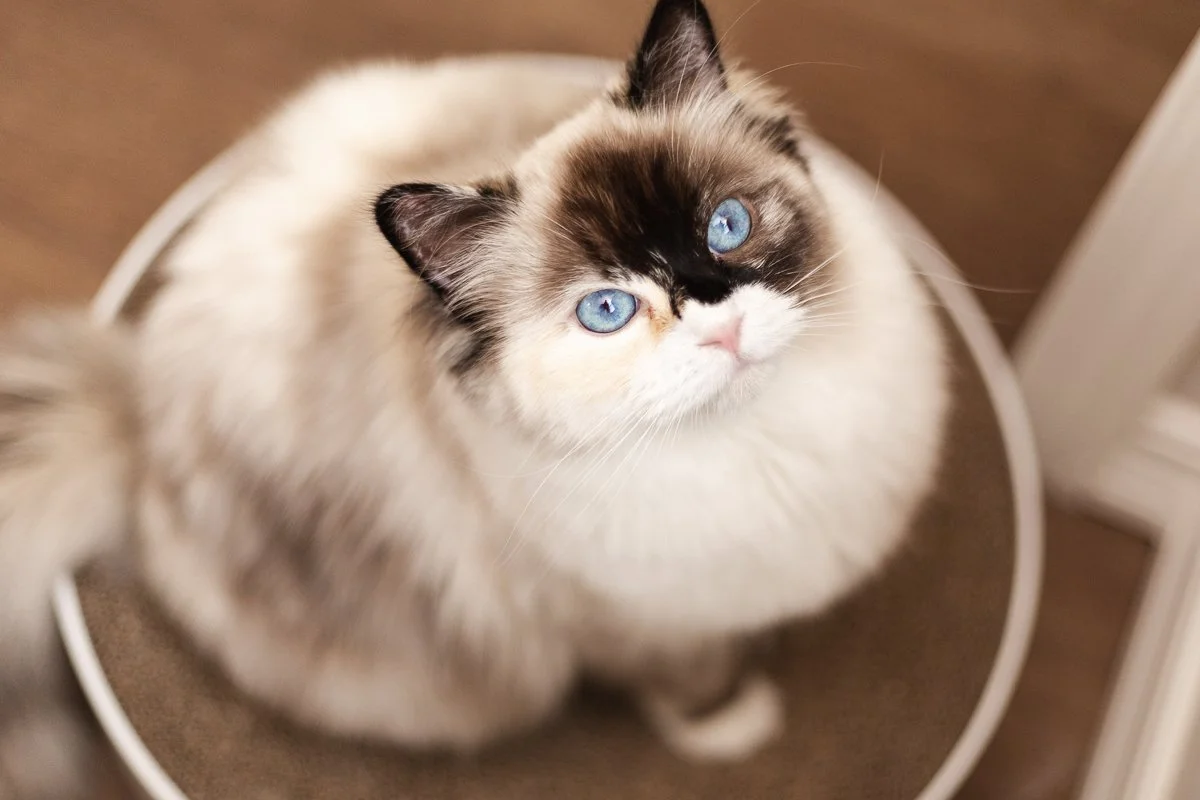
Ragdolls are a large, slow-maturing breed known for their sturdy build, broad chest, and well-proportioned frame. Most reach full size around three to four years of age.
Adult females typically range from about 8 to 12 pounds, while males often fall between 12 and 20 pounds. These ranges can vary depending on lineage and individual build, but Ragdolls are generally considered one of the larger domestic cat breeds.
Their coat is one of their most recognizable features. It’s often described as soft and silky, with less dense undercoat than many long-haired breeds. This gives it a smooth, lightweight feel that tends to resist heavy matting, though regular grooming is still important to keep it in good condition.
Their coloring appears in a pointed pattern, meaning the body remains lighter while the face, ears, legs, and tail develop deeper color over time. Within that pattern, there are several variations, including colorpoint, mitted, and bicolor, along with a range of colors such as seal, blue, chocolate, and lilac. If you’d like a more in-depth look at Ragdoll colors and patterns, you can read my full guide here.
Ragdolls are also known for their blue eyes, which are a defining characteristic of traditional colorpoint Ragdolls. In general, the breed has a soft, balanced appearance, nothing overly sharp or extreme. Combined with their size and coat, this gives Ragdolls a distinctive presence that feels both elegant and approachable.
What It’s Like to Live With a Ragdoll Cat
Life with Ragdolls has a steady, companionable feel to it.
If someone rings the doorbell, there’s a good chance they’ll be greeted by a small welcoming committee, a cluster of curious faces appearing to see who’s arrived.
Privacy is… negotiable. Close a door, and you may find someone waiting on the other side, waving a little paw underneath to say hello. Leave it open, and you’re likely to have company whether you planned it or not.
Moving from one room to another rarely happens alone. There’s usually at least one cat following along, not because they need anything, but because they’d rather be where you are. In our home, even a quick trip to the kitchen turns into a group activity.
Evenings settle into something quieter. Some stretch out next to you on the couch, others choose a spot nearby. At night, I often find myself sleeping with a little pile curled up around my legs.
Over time, it’s that steady presence that stands out most. It’s not loud or demanding. It’s a quiet kind of companionship that has a way of sticking with you, sometimes even when you’d prefer a little space.
Who Ragdolls Are (and Aren’t) a Good Fit For
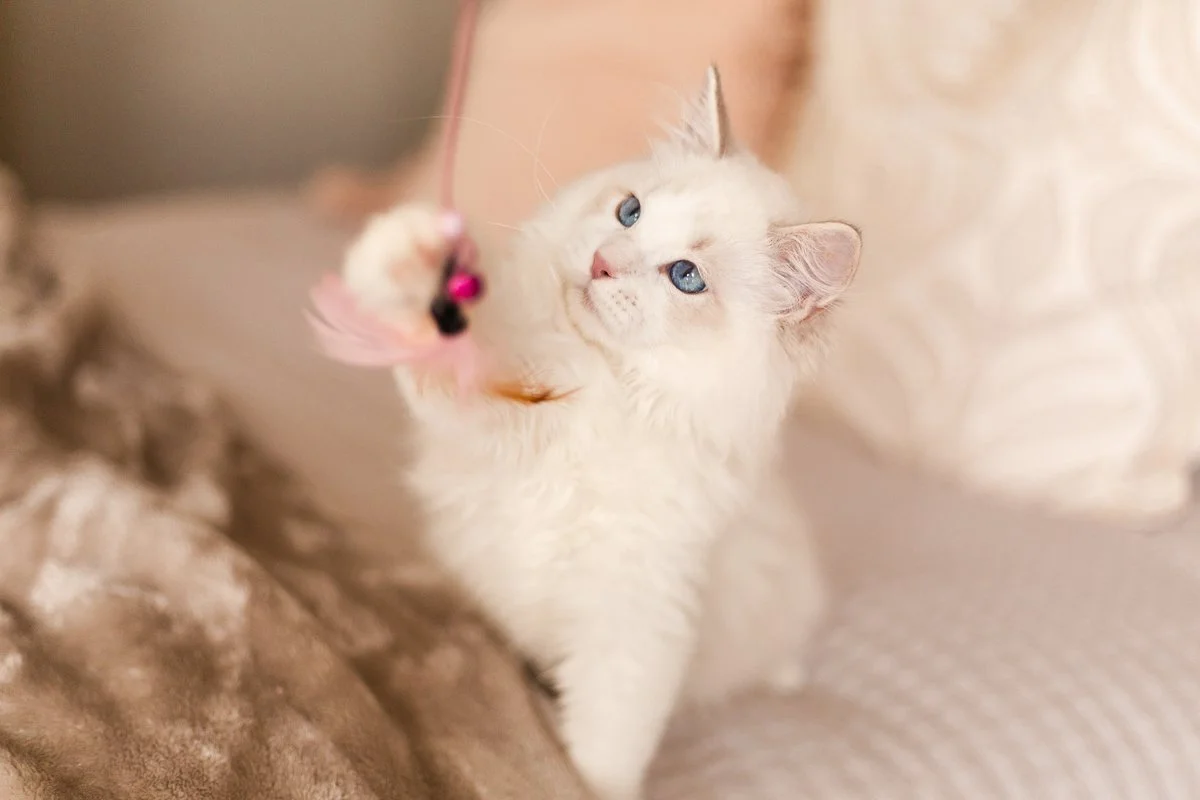
Ragdolls tend to do best in homes where their social nature is welcomed and reciprocated. They’re well suited for families with children, multi-pet households, and environments with a bit of activity and noise.
Because they prefer connection and involvement, Ragdolls are generally happiest in environments where someone is home regularly or able to spend meaningful time interacting with them. That doesn’t mean they require constant attention, but they do best with a consistent presence and a home where they’re included in everyday life.
On the other hand, they may not be the best fit for someone looking for a highly independent pet. They’re not typically a breed that thrives when left entirely to themselves for long stretches. People who prefer a pet that is content to be largely on its own may find that a Ragdoll’s presence is more than they bargained for.
As with any breed, individual personalities vary, but understanding these general tendencies can help set expectations and lead to a better long-term fit for both the cat and the home.
Common Misconceptions About Ragdolls
Like many well-known breeds, Ragdolls are often described in ways that are only partially true. Understanding a few of the most common misconceptions can help set more realistic expectations.
One of the most common assumptions is that all Ragdolls are natural lap cats or enjoy being held. Their name comes from a tendency to relax when handled, which can create the impression that they’ll always seek out that kind of contact. While many are very affectionate, that affection doesn’t always look the same from one cat to the next. Some will happily settle into your arms, while others prefer to stay close on their own terms, sitting beside you, following at your heels, or simply being nearby.
This is one area where working with a breeder can make a meaningful difference. Personality traits (what my son insists on calling their “cat-ality”) can often be observed early, and thoughtful matching can help place kittens in homes where their natural temperament is the best fit.
Another common belief is that Ragdolls are hypoallergenic. While some people with mild allergies may tolerate them better, no cat is truly hypoallergenic. Allergies are typically triggered by a protein called Fel d 1, which all cats produce to some degree. Individual reactions can vary, but it’s important to approach this expectation with caution.
At the end of the day, no two Ragdolls are exactly alike. While the breed is known for its gentle, social nature, each cat brings its own personality and preferences.
That’s why thoughtful breeding and intentional placement matter. My goal is to raise kittens with care, intention, and integrity, and to help guide each one into a home where they’ll be a natural fit.
